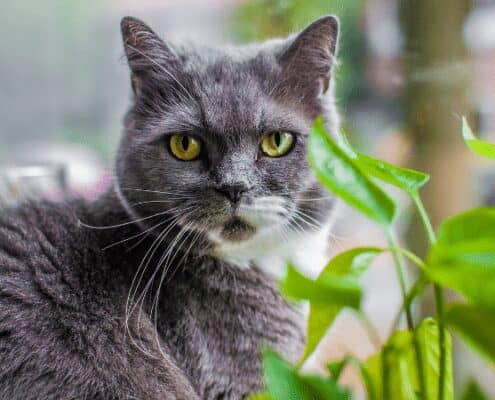
Pet Friendly Houseplants
Create a lush indoor space you love—without compromising your pet’s safety.
If you share your home with curious cats or playful pups, choosing non-toxic houseplants is an important first step. Many beautiful plants are considered safe for pets and can add colour, texture, and life to your space while keeping your furry family members protected.
Even with pet-friendly plants, it’s always best to place houseplants out of reach. Any plant material—safe or not—can cause mild stomach upset if eaten. If your pet tends to chew on greenery, consider elevated shelves, hanging planters, or plant stands to reduce temptation.
Before bringing any new plant home, we recommend doing a quick check to ensure it’s a good fit for your household. Our team is always happy to help you choose pet-safe options during your next visit.
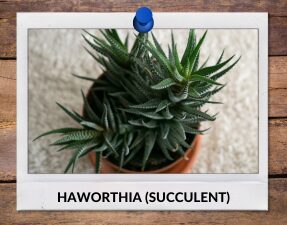
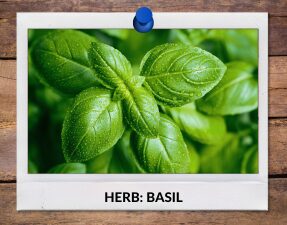
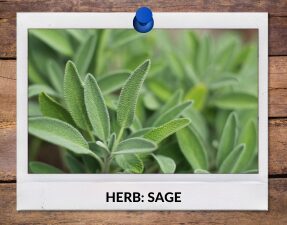
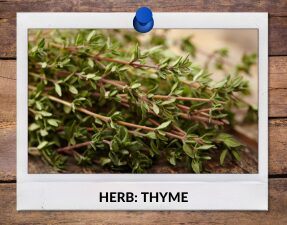
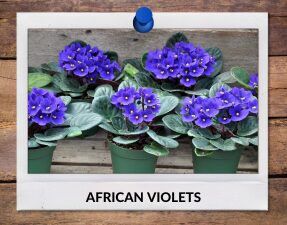
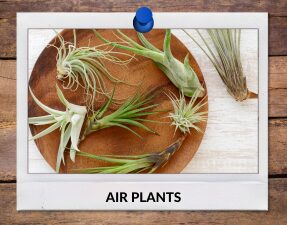
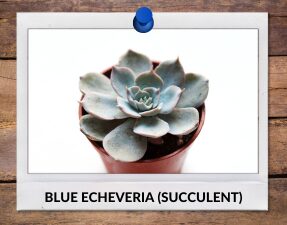
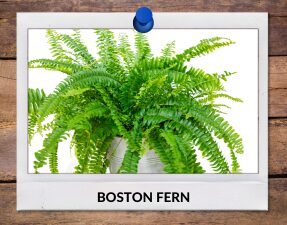
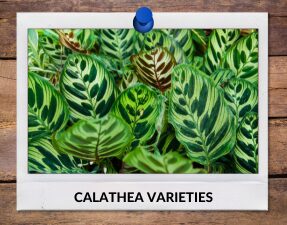
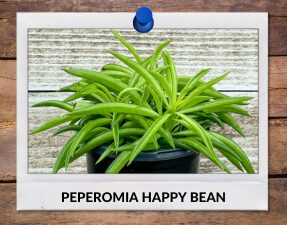
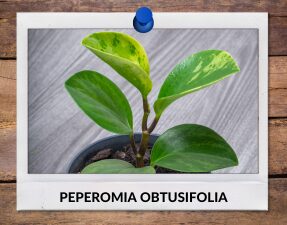
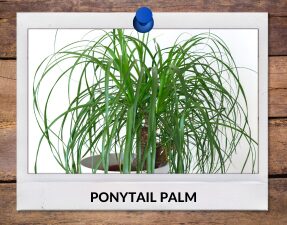
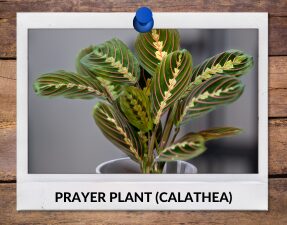
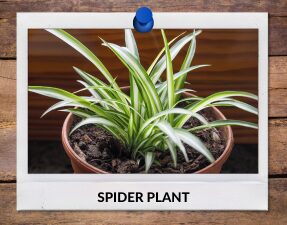
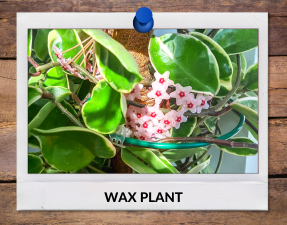
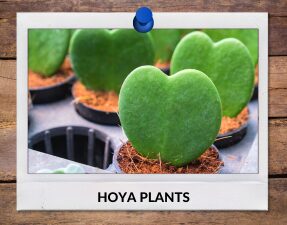
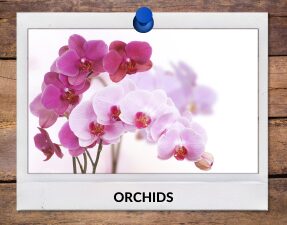
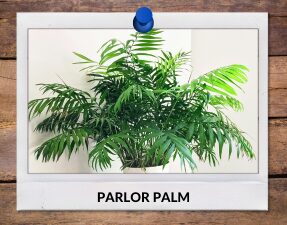
**Plants shown above are not necessarily in-stock. Please call the garden centre to confirm availability.
Popular Pet-Friendly Houseplants
The following plants are widely recognized as non-toxic to both cats and dogs:
- Spider Plant
- Boston Fern
- Parlor Palm
- Areca Palm
- Ponytail Palm
- African Violet
- Calathea & Prayer Plants
- Peperomia varieties
- Orchids
- Hoya (Wax Plant)
- Air Plants (Tillandsia)
- Haworthia (succulent)
- Echeveria (succulent)
- Herbs such as Basil, Sage, and Thyme
These plants are beautiful, easy to grow, and a great choice for homes with pets.
Common Questions
Are African Violets safe for cats and dogs?
Yes! African violets are non-toxic and a wonderful flowering option for pet-friendly homes.
Are Spider Plants safe for pets?
Yes, spider plants are non-toxic. However, some pets enjoy chewing them, which may cause mild digestive upset if too much is eaten.
Plants to Avoid Around Pets
Some popular houseplants can be harmful and should be kept out of homes with pets or placed completely out of reach:
- Lilies – Extremely toxic to cats and can cause kidney failure
- Pothos (Devil’s Ivy) – Causes vomiting and irritation
- Philodendron – Can cause oral irritation and drooling
- Dieffenbachia (Dumb Cane) – Causes swelling and mouth irritation
- Oleander – Highly toxic and potentially life-threatening
Always check plant toxicity before introducing a new plant to your home.
What To Do If Your Pet Eats a Plant
If you suspect your pet has chewed or eaten a plant:
- Remove any plant material from their mouth if it’s safe to do so.
- Identify the plant (take a photo or keep the plant label if possible).
- Contact your veterinarian or a local emergency animal hospital right away.
- Watch for symptoms such as vomiting, drooling, lethargy, or difficulty breathing.
For urgent concerns, do not wait—quick action can make a big difference.
Bringing plants into your home should be joyful for every member of the family—two-legged and four-legged alike. With the right choices and a little planning, you can enjoy a beautiful indoor jungle that’s safe for everyone.