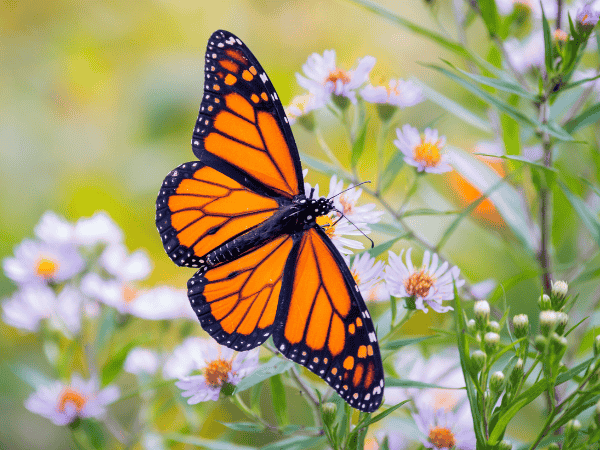
Gardening for Butterflies, Bees & Other Pollinators
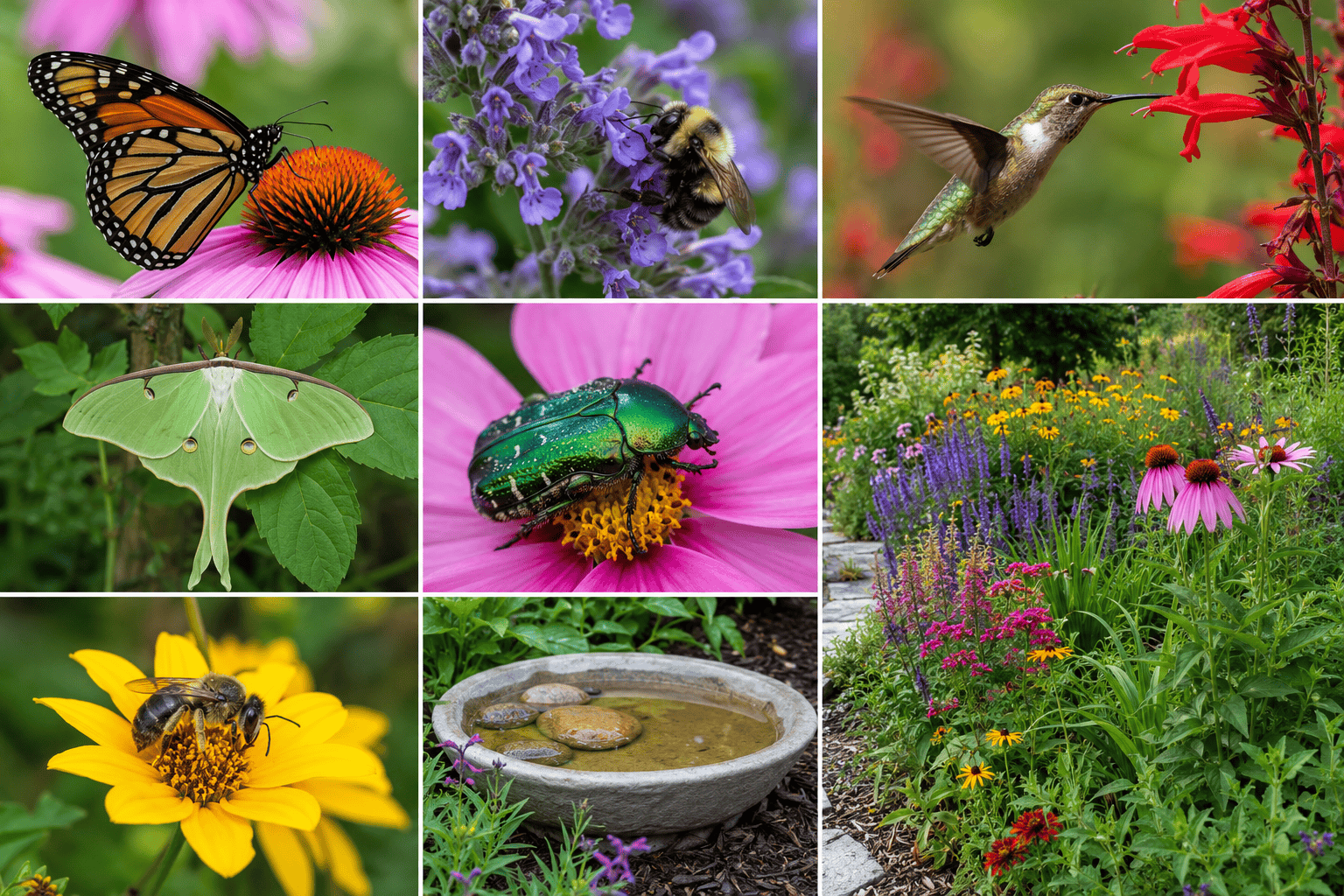
A pollinator-friendly garden is alive with movement — the flutter of butterflies, the hum of bees, the flash of hummingbird wings, and even the quiet nighttime visits of moths. Summer is a wonderful time to add pollinator plants to the landscape and create a garden that supports a wide variety of beneficial insects and wildlife.
When planning a pollinator garden, think beyond flowers alone. Butterflies, bees, moths, beetles and other winged visitors need food, shelter, water and places to reproduce. Nectar-rich blooms provide energy, while host plants give butterflies and moths safe places to lay eggs and feed their caterpillars. Trees, shrubs, leaf litter, dead stems and dense plantings also provide important habitat and protection.
If you’re wondering how to attract more pollinators to your yard, the following plants are a great place to start.
Trees for Pollinators
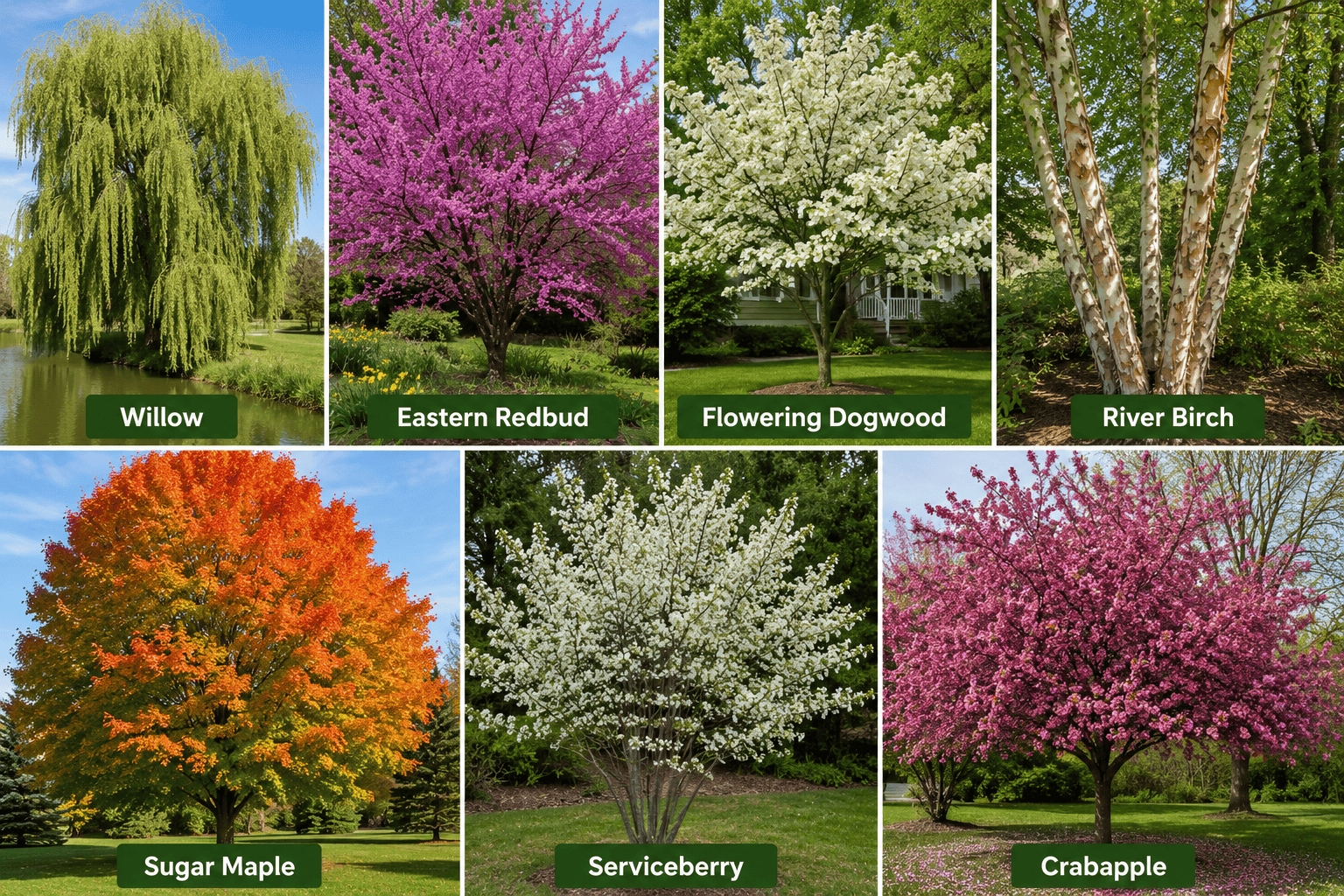
Trees play an important role in supporting pollinators, providing nectar, pollen, shelter and host sites for butterflies, moths and beneficial insects.
A few excellent choices include:
- Black Locust (‘Purple Robe’)
- Black Cherry
- Willow
- Eastern Redbud
- Flowering Dogwood
- River Birch
- Sugar Maple
- Serviceberry
- Crabapple
- Linden (Basswood)
Many flowering trees are particularly valuable to bees in spring, when food sources can still be limited.
Shrubs That Support Butterflies & Bees
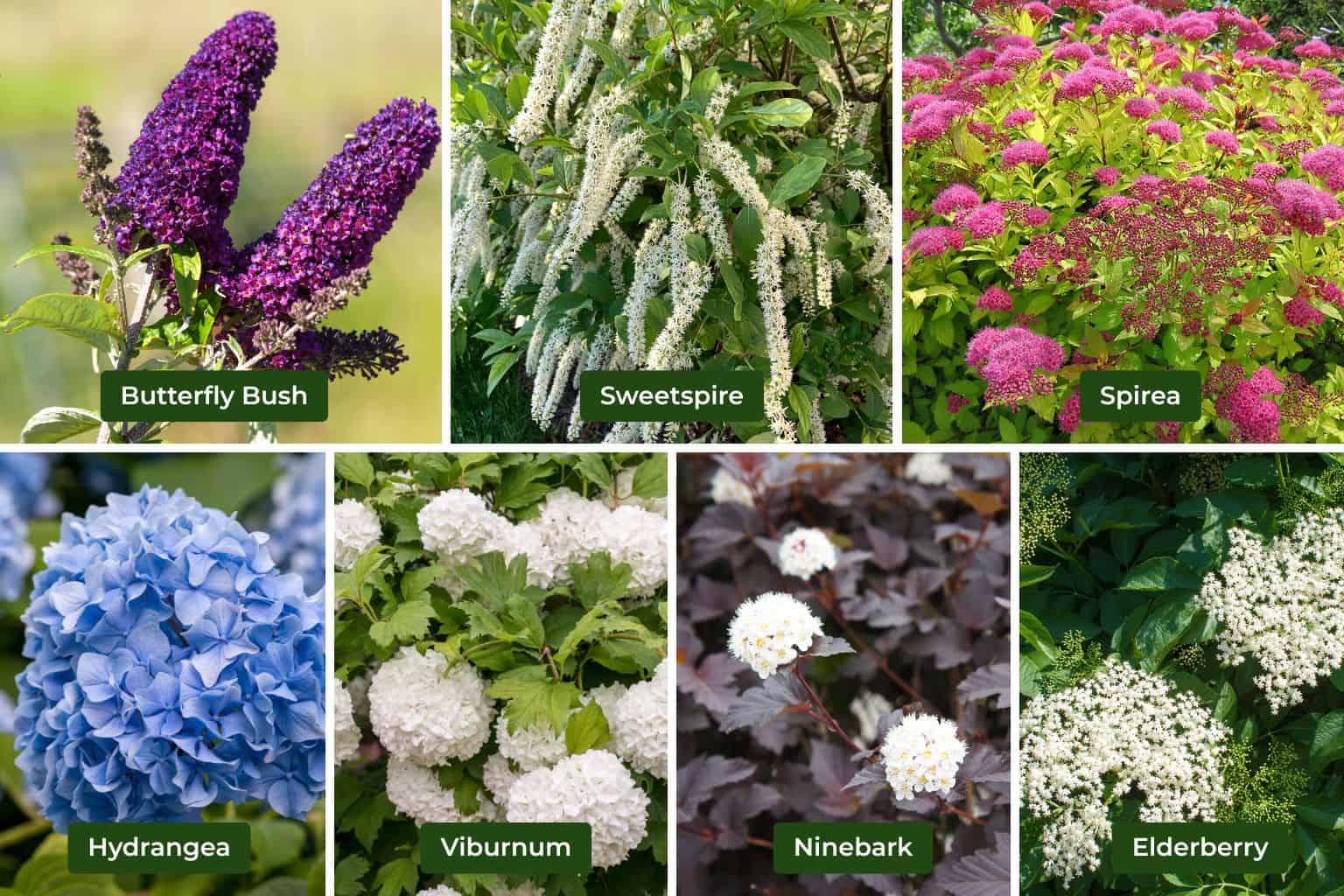
Shrubs add structure to the garden while providing valuable nectar, pollen and habitat.
Of course, there is the well-known Butterfly Bush, but many other shrubs deserve a place in a pollinator garden too.
Consider planting:
- Butterfly Bush
- Sweetspire
- Summersweet
- Viburnum
- Spirea
- Privet
- Ninebark
- Elderberry
- Hydrangea
- Potentilla
Shrubs that flower at different times throughout the season help provide a continuous food source from spring through fall.
Vines for Vertical Interest & Pollinators
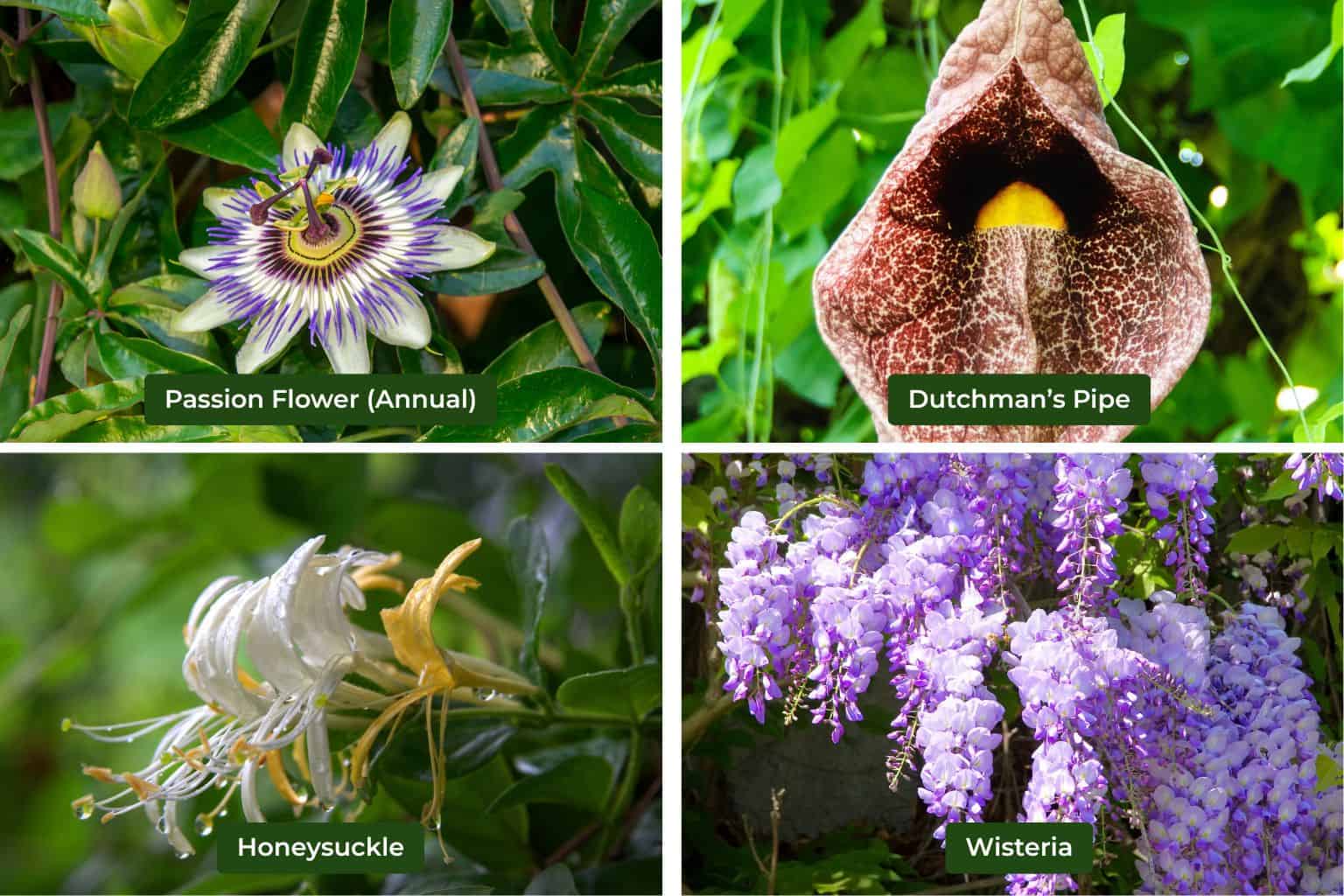
Need to cover a fence, arbour, or wall? Certain vines can add height while also attracting pollinators.
Try:
- Passion Flower Vine (annual)
- Trumpet Vine
- Dutchman’s Pipe
- Honeysuckle
- Wisteria
Some vines, such as Dutchman’s Pipe, are especially important host plants for certain butterfly species.
Perennials: Pollinator Garden Superstars
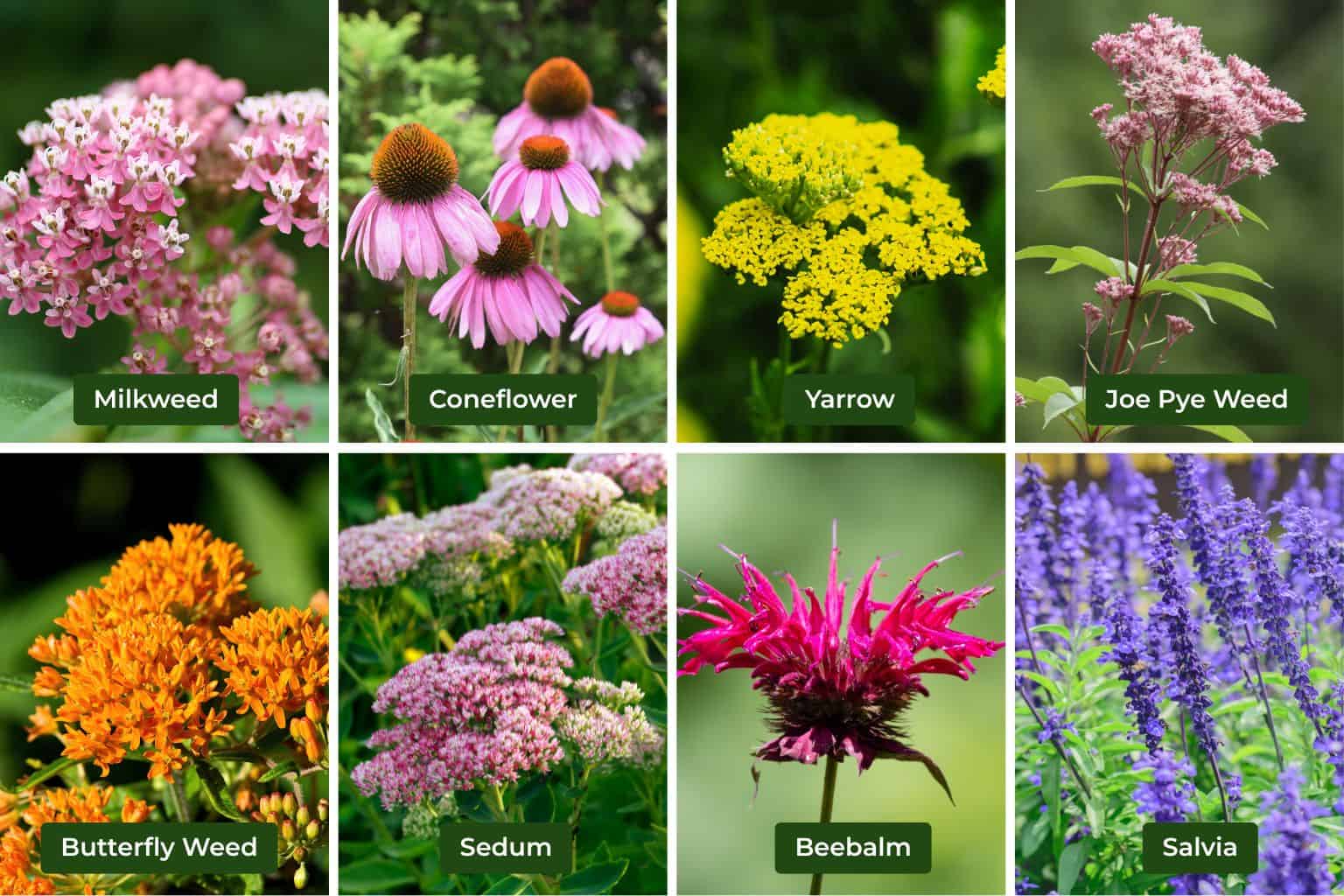
Perennials are some of the hardest-working plants in a pollinator garden. Many return year after year and provide reliable sources of nectar and pollen.
A few favourites include:
- Milkweed & Butterfly Weed
- Coneflower
- Black-Eyed Susan
- Joe Pye Weed
- Bee Balm
- Lavender
- Salvia
- Stonecrop (Sedum)
- Yarrow
- Liatris
- Phlox
- Scabiosa
- Delphinium
- Dianthus
- Hollyhock
- Lupines
- Daylilies
- Anise Hyssop
- Catmint
- Asters
- Goldenrod
- Coreopsis
- Penstemon
Planting a mix of early, mid-season and late bloomers helps ensure pollinators have access to food throughout the growing season.
Annuals for Season-Long Colour & Pollinator Appeal
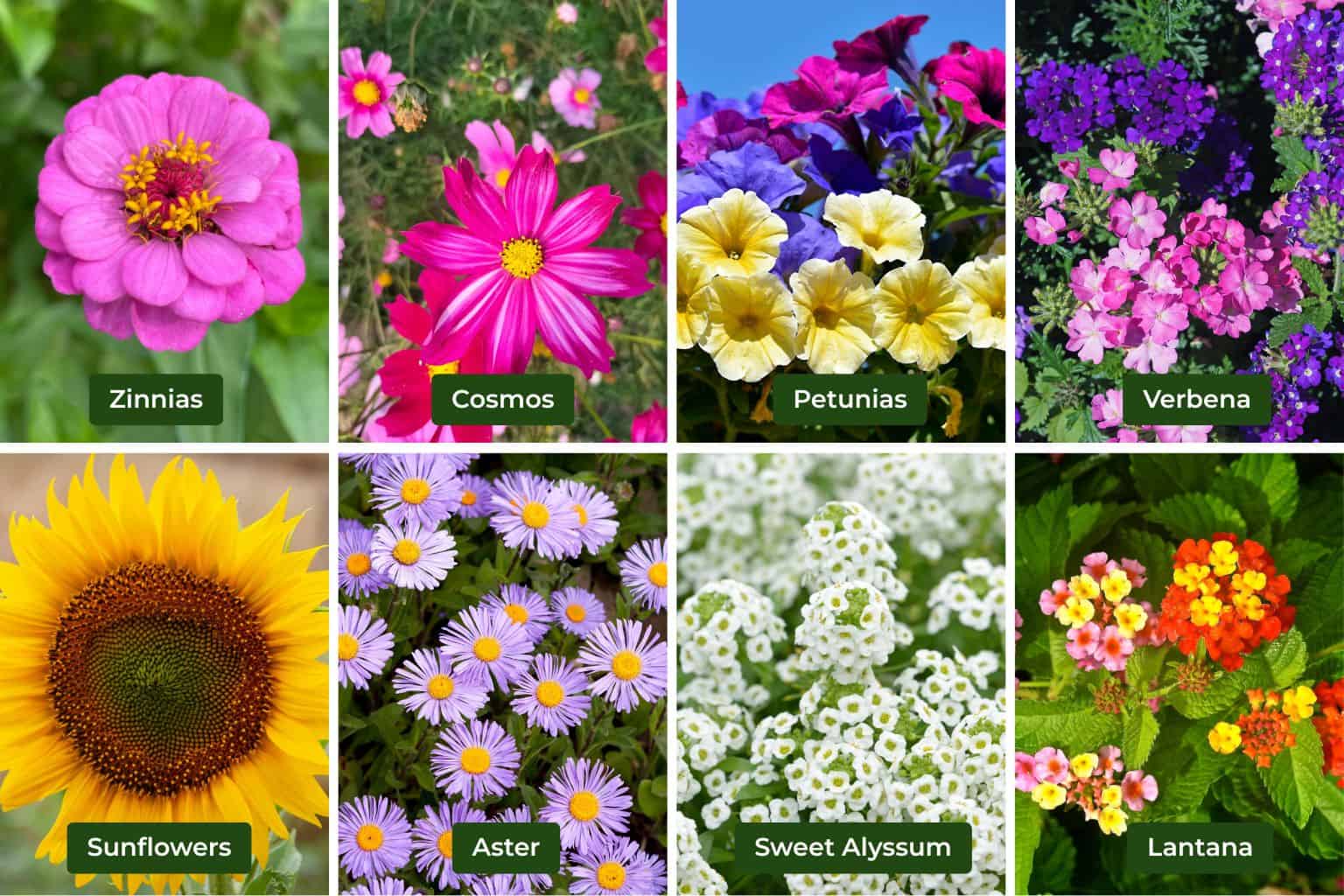
When perennials aren’t an option — or you’re looking for even more ways to attract pollinators — annuals are a colourful, nectar-rich choice.
Great pollinator annuals include:
- Zinnia
- Cosmos
- Marigolds
- Sunflowers
- Lantana
- Verbena
- Pentas
- Snapdragons
- Alyssum
- Asters
- Cleome
- Mexican Sunflower (Tithonia)
- Nicotiana (especially attractive to moths)
- Bachelor Buttons
Many annuals bloom continuously, making them excellent food sources all summer long.
Herbs, Vegetables & Edibles That Pollinators Love
Your vegetable and herb garden can pull double duty by supporting pollinators too.
Consider growing:
- Dill
- Fennel
- Sage
- Thyme
- Oregano
- Borage
- Calendula
- Nasturtium
- Peas & Legumes
- Parsley
- Chives
- Basil (allow some to flower!)
Many herbs produce nectar-rich blooms that are irresistible to bees, butterflies and beneficial insects.
More Than Plants: Creating Pollinator Habitat
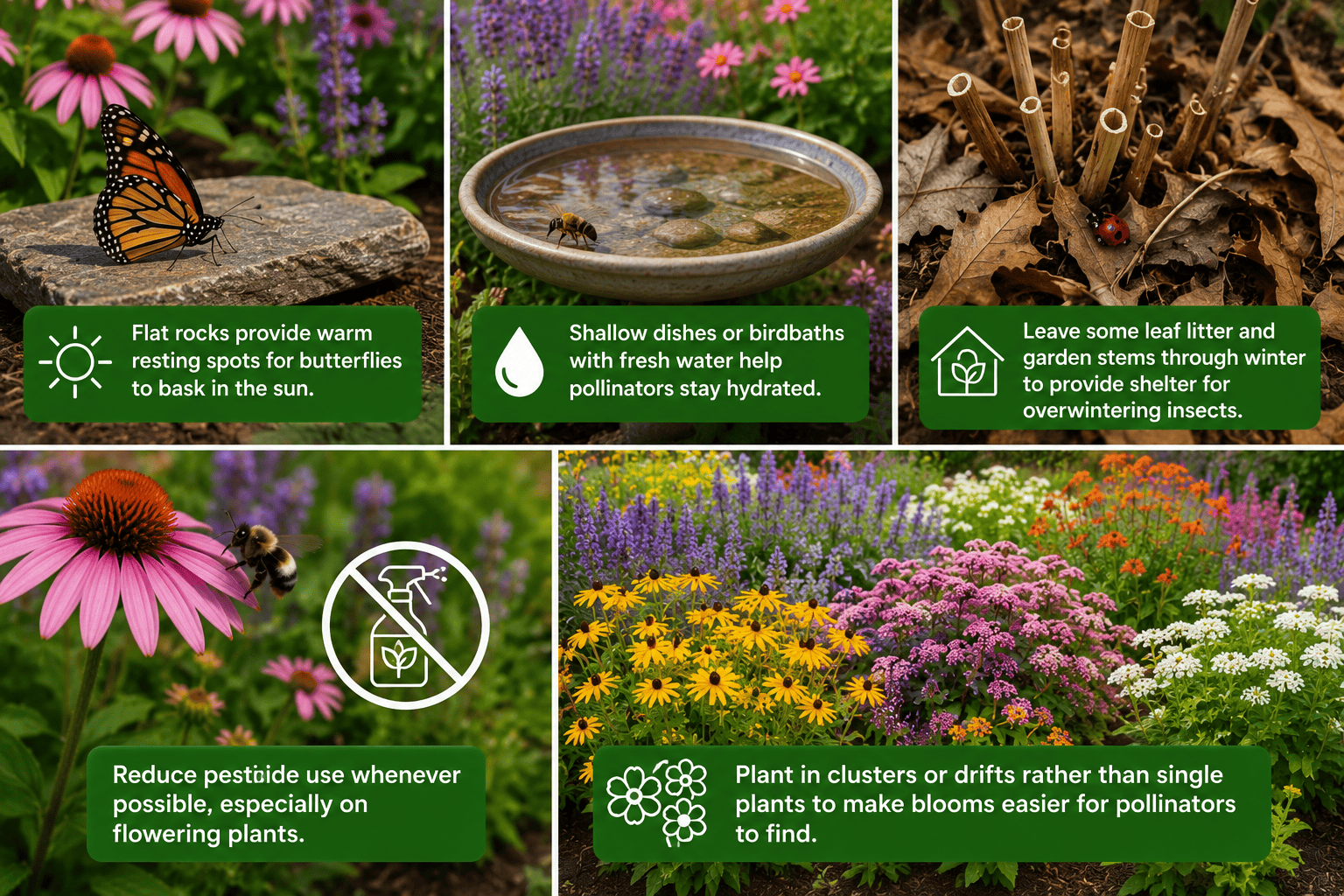
Flowers are only part of the equation. To truly support butterflies and pollinators, consider adding a few extra habitat features to your garden.
- Flat rocks provide warm resting spots for butterflies to bask in the sun.
- Shallow dishes or birdbaths with fresh water help pollinators stay hydrated.
- Leave some leaf litter and garden stems through winter to provide shelter for overwintering insects.
- Reduce pesticide use whenever possible, especially on flowering plants.
- Plant in clusters or drifts rather than single plants to make blooms easier for pollinators to find.
Why Supporting Pollinators Matters
Butterflies, bees, moths, beetles, flies and hummingbirds are essential to healthy ecosystems and productive gardens. Pollinators help fertilize many of the plants we rely on for fruits, vegetables, herbs and seeds.
Beyond food production, pollinators contribute to biodiversity, healthy landscapes and resilient ecosystems. Butterflies and bees are also indicators of environmental health — when pollinators thrive, it’s often a sign that nature is thriving too.
By planting with pollinators in mind, you’re not only creating a beautiful, lively garden — you’re helping support the tiny winged workers that keep our world growing.
*Disclaimer: Plant availability may vary. While this article includes a wide range of pollinator-friendly plants for inspiration, not all varieties listed are carried by our garden centre. Please contact us for current availability and recommendations for suitable alternatives.