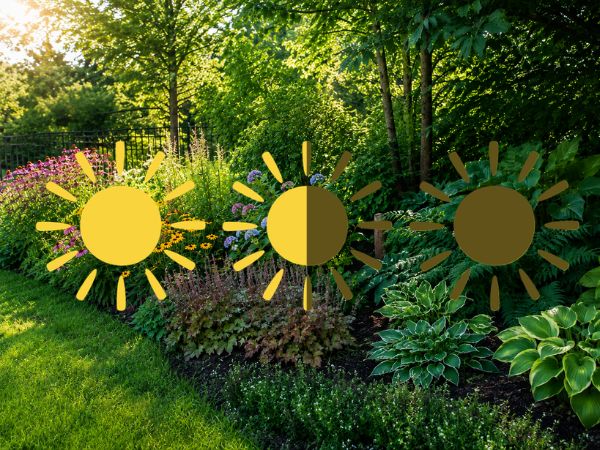
Understanding Light Requirements for Plants
One of the most common reasons plants struggle in the garden or indoors is being placed in the wrong light conditions. While plant tags often say things like full sun or part shade, understanding what those terms actually mean can make all the difference in helping your plants thrive!
Why Light Matters
Light affects everything from flowering and growth to leaf colour and overall plant health. Some plants crave long hours of hot sunshine, while others prefer cooler, protected spaces with filtered light. Choosing the right plant for the right spot is the key to gardening success.
Full Sun
Definition:
Plants that require full sun need at least 6–8+ hours of direct sunlight per day.
These plants thrive in bright, open areas with lots of sunshine and typically produce the best flowers, strongest growth, and most vibrant colour when given plenty of light.
Best Conditions:
- Open garden beds
- South or west-facing areas
- Hot patios and sunny landscapes
Important Note:
Not all sun is equal!
Morning sun is gentler and cooler, while afternoon sun is much hotter and more intense.
A location with full afternoon sun can sometimes be stressful for plants that only tolerate softer morning light.
Great Full Sun Plants:
- Coneflowers
- Lavender
- Petunias
- Roses
- Tomatoes
- Ornamental grasses
Part Sun
Definition:
Plants needing part sun prefer about 4–6 hours of direct sunlight daily.
These plants still enjoy sunshine but often appreciate a break from the harsh afternoon heat.
Best Conditions:
- Morning sun with afternoon shade
- East-facing gardens
- Areas with filtered afternoon light
Good for:
Plants that bloom best with sunlight but may scorch or wilt in intense afternoon heat.
Great Part Sun Plants:
- Hydrangeas
- Astilbe
- Coral Bells
- Begonias
- Lettuce and greens
Part Shade
Definition:
Part shade also typically means around 4–6 hours of light, but the light is usually gentler or more filtered.
Unlike part sun plants, these varieties are more sensitive to heat and strong direct rays.
Best Conditions:
- Morning sun only
- Filtered light through trees
- Bright shaded areas
Great Part Shade Plants:
- Hostas
- Ferns
- Bleeding Hearts
- Impatiens
- Brunnera
Full Shade
Definition:
Plants for full shade prefer less than 4 hours of direct sun per day, or mostly indirect light.
This does not mean no light at all. Even shade-loving plants still need brightness to grow.
Best Conditions:
- North-facing areas
- Under decks or trees
- Shaded woodland gardens
Common Mistake:
Many people assume shade plants can survive in deep darkness. In reality, most still benefit from some soft morning light or filtered brightness.
Great Shade Plants:
- Hostas
- Ferns
- Lungwort
- Japanese Forest Grass
- Foamflower
Dappled Shade
Definition:
Dappled shade refers to sunlight that filters through tree branches, creating a shifting mix of light and shade throughout the day.
Think of the soft, speckled light found in a forest.
Why It’s Special:
This type of light is often ideal because plants receive brightness without intense heat stress.
Great Plants for Dappled Shade:
- Hellebores
- Japanese Maples
- Trilliums
- Primroses
- Many woodland natives
Morning Sun vs. Afternoon Sun
Morning Sun
- Cooler and gentler
- Less intense UV exposure
- Helps dry dew from leaves, reducing disease risk
- Ideal for many shade and part-shade plants
Afternoon Sun
- Hotter and stronger
- Can dry soil faster
- More stressful during summer heat waves
- Best for heat-loving plants
In Southwestern Ontario, afternoon sun can become especially intense during July and August, so even some “sun-loving” plants may appreciate extra watering during extreme heat.
How to Figure Out Your Garden’s Light
Before planting, spend a day observing your yard:
- How many hours does the area receive direct sunlight?
- Is the sun strongest in the morning or afternoon?
- Do nearby trees or buildings create shade throughout the day?
- Does the area stay bright even without direct sun?
You may be surprised how much conditions can change throughout the seasons too — especially once trees fully leaf out in late spring.
Right Plant, Right Place
Understanding light requirements helps:
- Reduce plant stress
- Improve flowering and growth
- Prevent scorched leaves
- Reduce watering needs
- Increase long-term success in the garden
When in doubt, always check plant tags and remember that matching plants to your space is often easier than trying to change the conditions of your garden.
A happy plant starts with the right light!