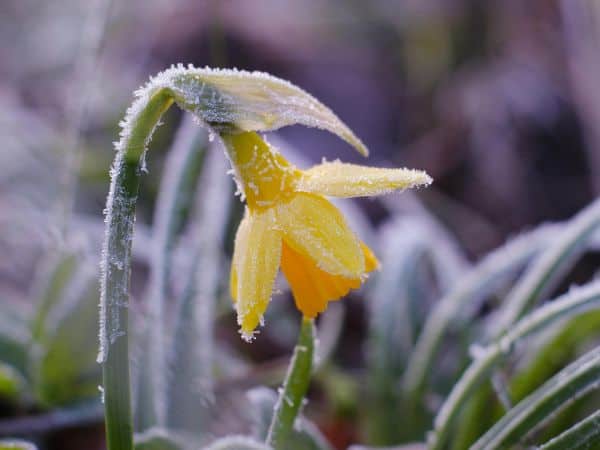
Protecting Against Frost
How to Protect Your Garden from a Chilly Night
When temperatures dip unexpectedly, even for just one night, tender growth can take a hit. Those fresh, soft leaves and buds you’ve been watching emerge are especially vulnerable—but with a few simple steps, you can keep your garden safe and thriving.
Covering Plants the Right Way
Covering your plants helps trap heat from the soil and protects delicate foliage from frost settling.
Best materials to use:
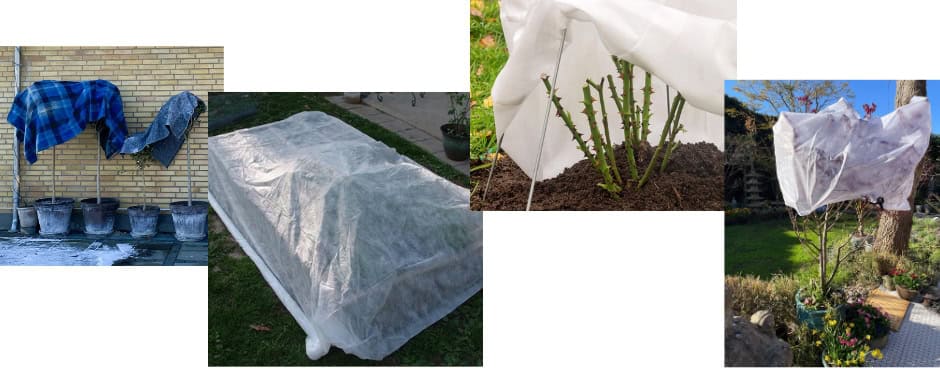
- Old sheets or light blankets (breathable and effective)
- Frost cloth or row covers (ideal for repeated use)
- Burlap for shrubs or small trees
How to do it properly:
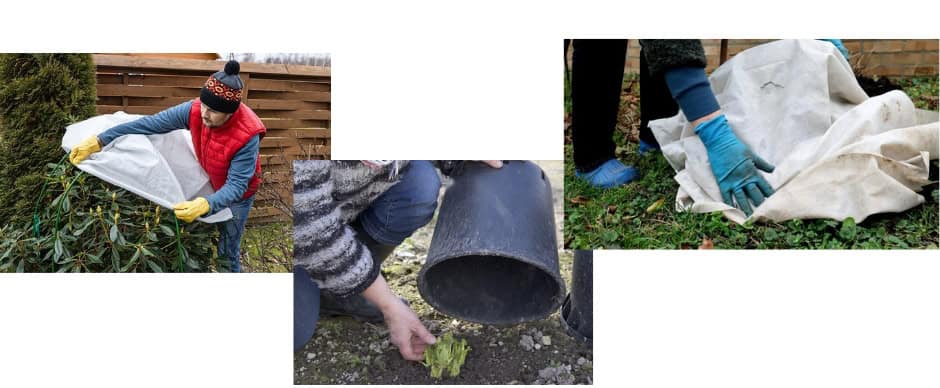
- Drape covers loosely over plants—don’t press down on foliage
- Extend the cover to the ground to trap warmth
- Secure edges with rocks, bricks, or garden staples to prevent heat from escaping

Simple Protection for Small Plants
For smaller plants or newly planted annuals, quick solutions work beautifully.
Try this:
- Flip pots, buckets, or containers over plants
- Use garden cloches if you have them
- Even a cardboard box can work in a pinch
These methods are fast, effective, and perfect for protecting young or low-growing plants.
Don’t Forget These Vulnerable Plants
Some plants are tougher than they look—but their new spring growth is still sensitive to frost.
Keep an eye on:
- Peonies (fresh red shoots can burn easily)
- Roses (new growth is very tender)
- Astilbe (soft emerging foliage)
- Japanese Maples (delicate new leaves)
- Hostas & Hydrangeas (early risers in the garden)
What Not to Do
- Avoid placing plastic directly on plants—it can trap moisture and cause freezing damage
- Don’t leave covers on during the day—plants can overheat quickly in the sun
Morning After Care
Once temperatures rise above freezing:
- Remove all coverings early in the morning
- Check plants for any signs of stress
- Water lightly if soil feels dry—moist soil holds heat better than dry soil
Why Some Plants Disappear at the Garden Centre
You might notice certain plants suddenly missing from the benches—and there’s a good reason! During frost advisories, garden centres often move sensitive plants into protected spaces like polyhouses or greenhouses.
It’s all part of keeping plants healthy and ready for your garden once the weather settles.
A Little Effort Goes a Long Way
Frost protection doesn’t have to be complicated. With a few simple materials and a quick check before bed, you can protect your plants and keep your garden moving forward without a setback.
Your future blooms will thank you!