Late Summer Lawn Care
Is your lawn looking a little worse for wear after a busy summer? You’re not alone!
Heat, dry spells, heavy foot traffic, weeds and everyday summer activity can leave even a healthy lawn looking thin, brown or patchy by August. The good news is that late summer into early fall is one of the best times to give your lawn a little TLC.
As temperatures begin to cool and we head toward fall, conditions become much more favourable for cool-season grasses. Whether you’re dealing with a few bare patches or simply want to strengthen your lawn before winter, now is the time to start planning your fall lawn care.
Get Your Lawn Ready for Fall
1. Start with a Lawn Check-Up
Before reaching for the grass seed, take a walk around your lawn and see what summer has left behind.
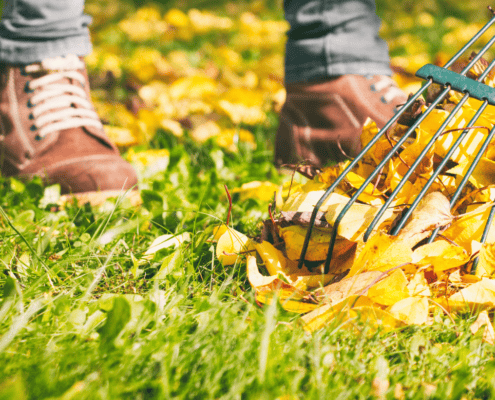
Look for thin or bare areas, compacted soil, weeds, excessive thatch and spots that have struggled during hot, dry weather. Remove sticks and debris and lightly rake areas with dead or matted grass.
Don’t worry if your lawn isn’t looking picture-perfect in August. Some grass that has gone brown during hot, dry conditions may simply be dormant rather than dead and can begin to green up again once cooler temperatures and regular moisture return.

2. Aeration: Let Your Lawn Breathe
After a summer of kids playing, backyard barbecues and plenty of trips across the lawn, your soil may be more compacted than it was in spring.
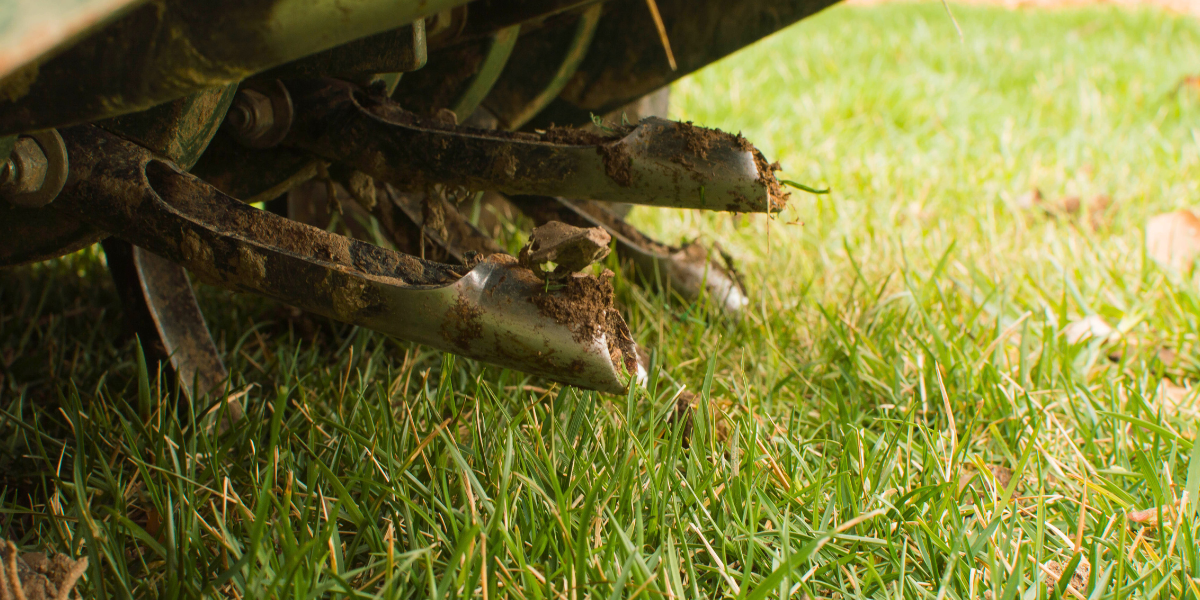
Core aeration removes small plugs of soil, helping air, water and nutrients reach the root zone more easily. It can be especially beneficial for lawns growing in heavier soil or areas that receive a lot of foot traffic.
Late summer into fall is a great time to aerate because your lawn still has time to actively grow and recover before winter.
Canadale Tip: If you’re planning to aerate and overseed, aerate first. The openings created in the soil can help improve seed-to-soil contact.
3. Overseed Thin & Bare Areas
If summer has left your lawn looking a little sparse, don’t give up on it—overseeding can make a big difference.
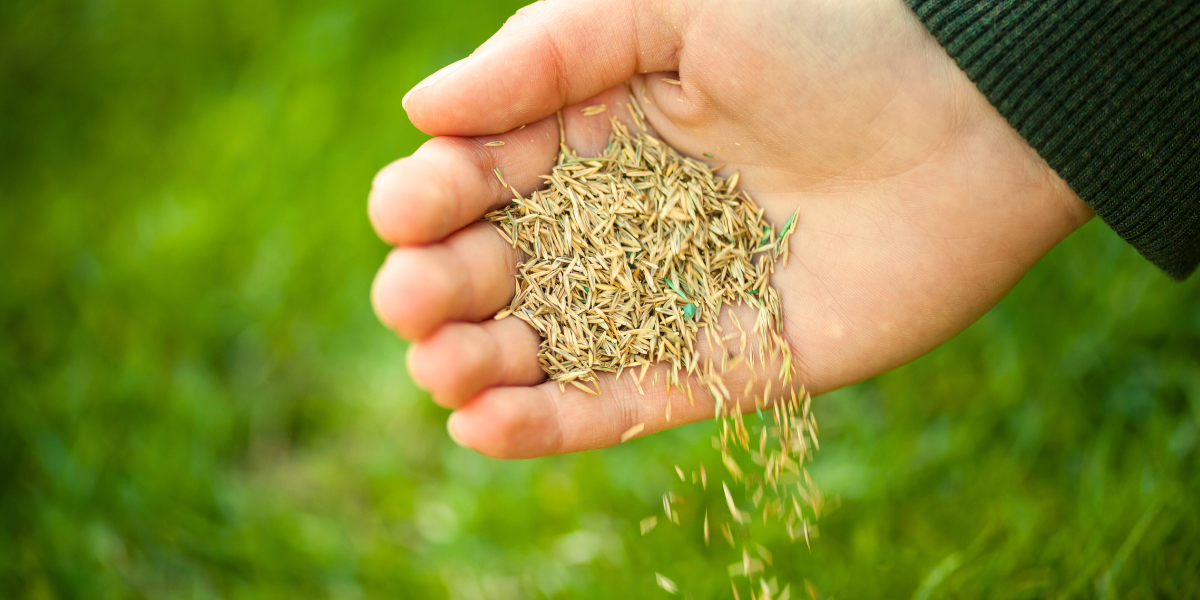
Late summer into early fall offers an excellent window for grass seed. Cooler temperatures reduce stress on young grass, while the soil is still warm enough to encourage germination.
Choose a quality grass seed suited to your growing conditions, especially if you’re repairing areas with different levels of sun and shade.
For the best results, lightly loosen the soil in bare areas, spread your seed evenly and gently rake it in so the seed makes good contact with the soil.
4. Keep New Seed Moist
This is one step you don’t want to skip!
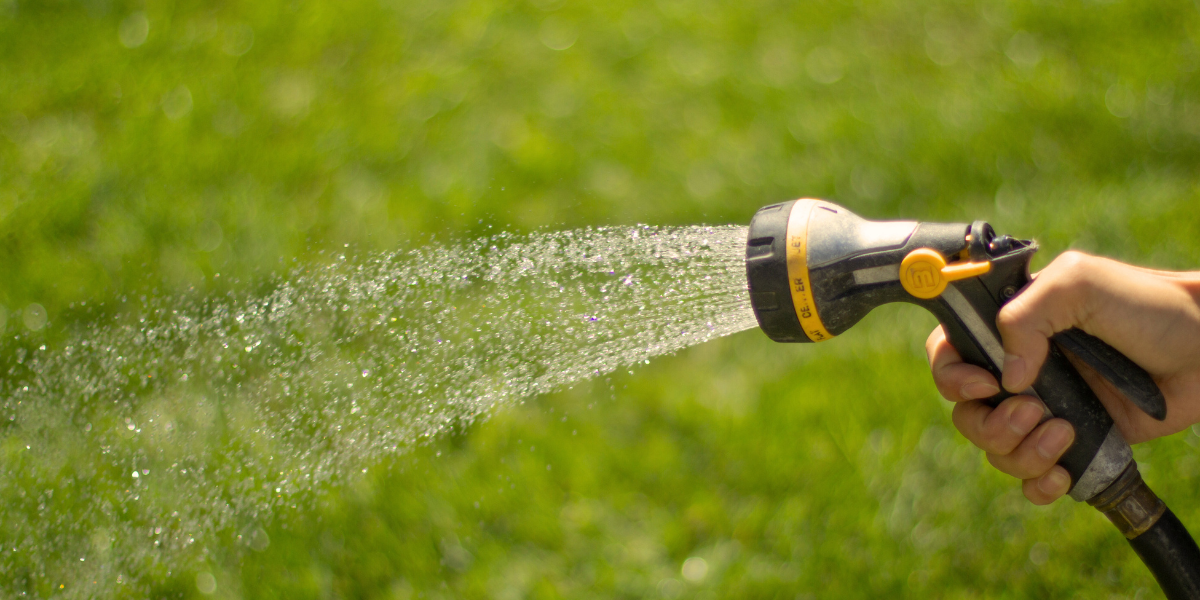
Grass seed needs consistent moisture to germinate. After overseeding, water lightly and frequently enough to keep the top layer of soil consistently moist without making it soggy.
Once the new grass begins to establish, gradually transition to less frequent, deeper watering to encourage roots to grow down into the soil.
Early morning is generally the best time to water established lawns because it reduces evaporation while allowing grass blades to dry during the day.
5. Give Your Lawn the Nutrients It Needs
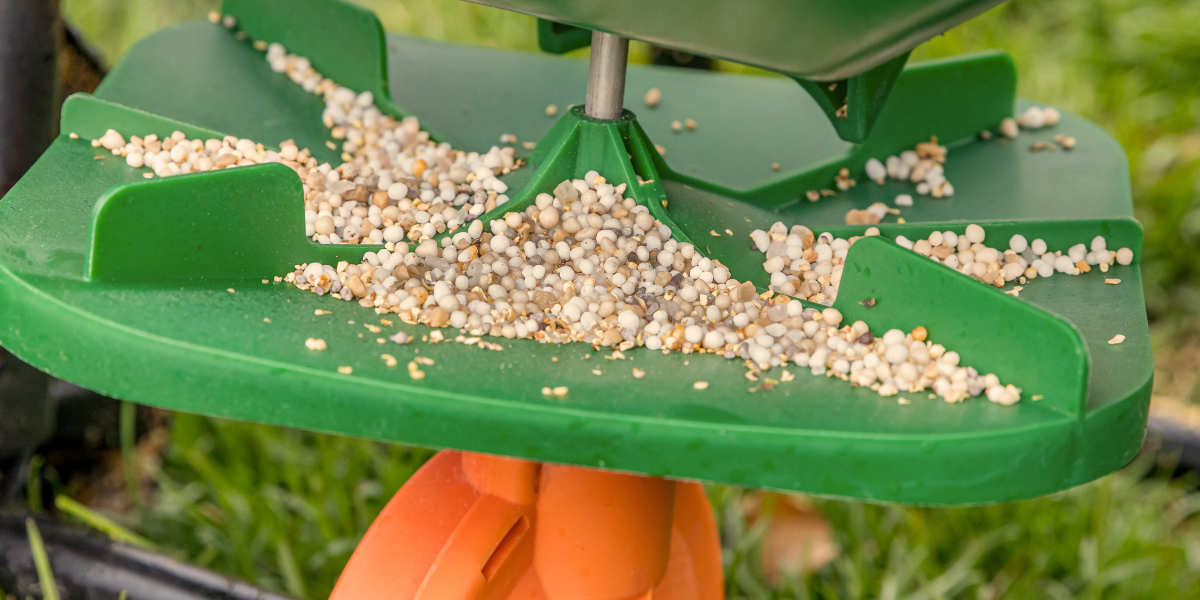
Fall fertilizing can help established grass recover from summer stress, develop a strong root system and store energy before winter.
Rather than focusing only on pushing lots of leafy growth, choose a lawn fertilizer appropriate for the season and follow the directions on the package carefully. The right timing and application rate are just as important as the fertilizer itself.
If you’re seeding at the same time, make sure the product you choose is suitable for use with newly seeded lawns.
6. Mowing and Maintenance
Don’t put the mower away just yet!
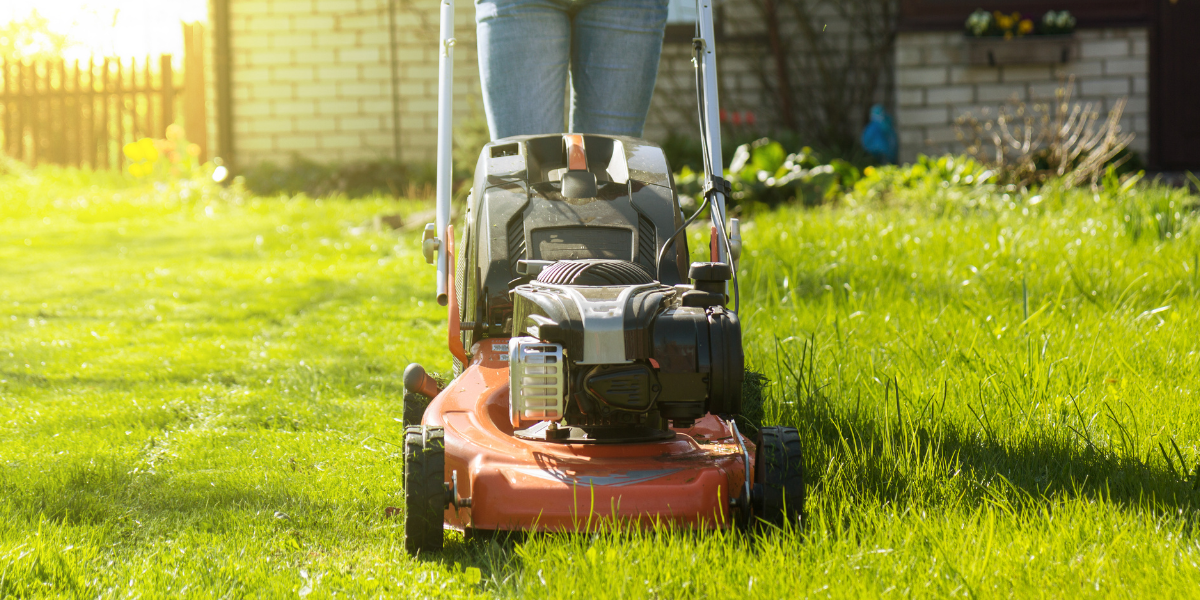
Your lawn will continue growing well into fall, so continue mowing as needed. Avoid removing more than about one-third of the grass blade at a time, and keep your mower blade sharp for a clean cut.
There’s no need to scalp the lawn as fall approaches. Keeping grass at a healthy mowing height helps support a strong root system and gives your lawn more leaf surface to capture sunlight.
As growth slows later in the season, you’ll naturally find yourself mowing less often.
7. Ready Your Tools
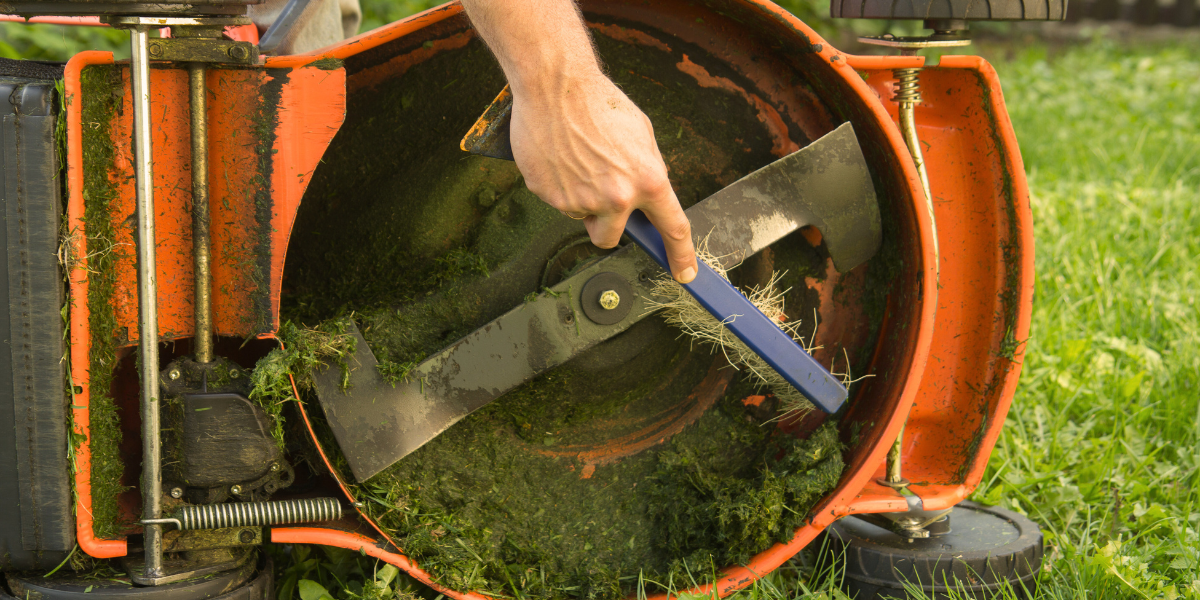
Before you put away your lawn care tools for the season, ensure they are cleaned and properly maintained. Drain the fuel from your lawnmower, sharpen the blades, and store everything in a dry, sheltered place. This preparation guarantees a smooth start when spring beckons.
8. Stay Ahead of Falling Leaves
The leaves may not be falling just yet—but they will be soon!
Once they start, try not to allow a thick layer of leaves to sit on the lawn for extended periods. Heavy, wet leaves can block sunlight and trap moisture against the grass.
Rake them up, add them to the compost or mulch smaller amounts with your mower. Shredded leaves can also make a wonderful addition to garden beds.
9. Don’t Forget About Weeds
Late summer is also a good time to take note of weeds that have moved into thin areas of your lawn.
Pulling weeds before they have a chance to produce and scatter seed can help reduce future problems. More importantly, focus on creating a thick, healthy lawn. Dense turf leaves less open space for weed seeds to establish.

A Little Work Now Pays Off in Spring
You don’t have to tackle everything in one weekend.
Think of late August as the beginning of your fall lawn care season. Start by assessing summer damage and repairing thin areas. As temperatures cool, continue overseeding, aerating where needed, mowing and keeping fallen leaves under control.
A little attention now helps your lawn recover from summer, strengthen its roots before winter and gives it a much better starting point when spring returns.
So if your lawn is looking a little tired after summer, don’t count it out just yet. The season for lawn recovery is just getting started!